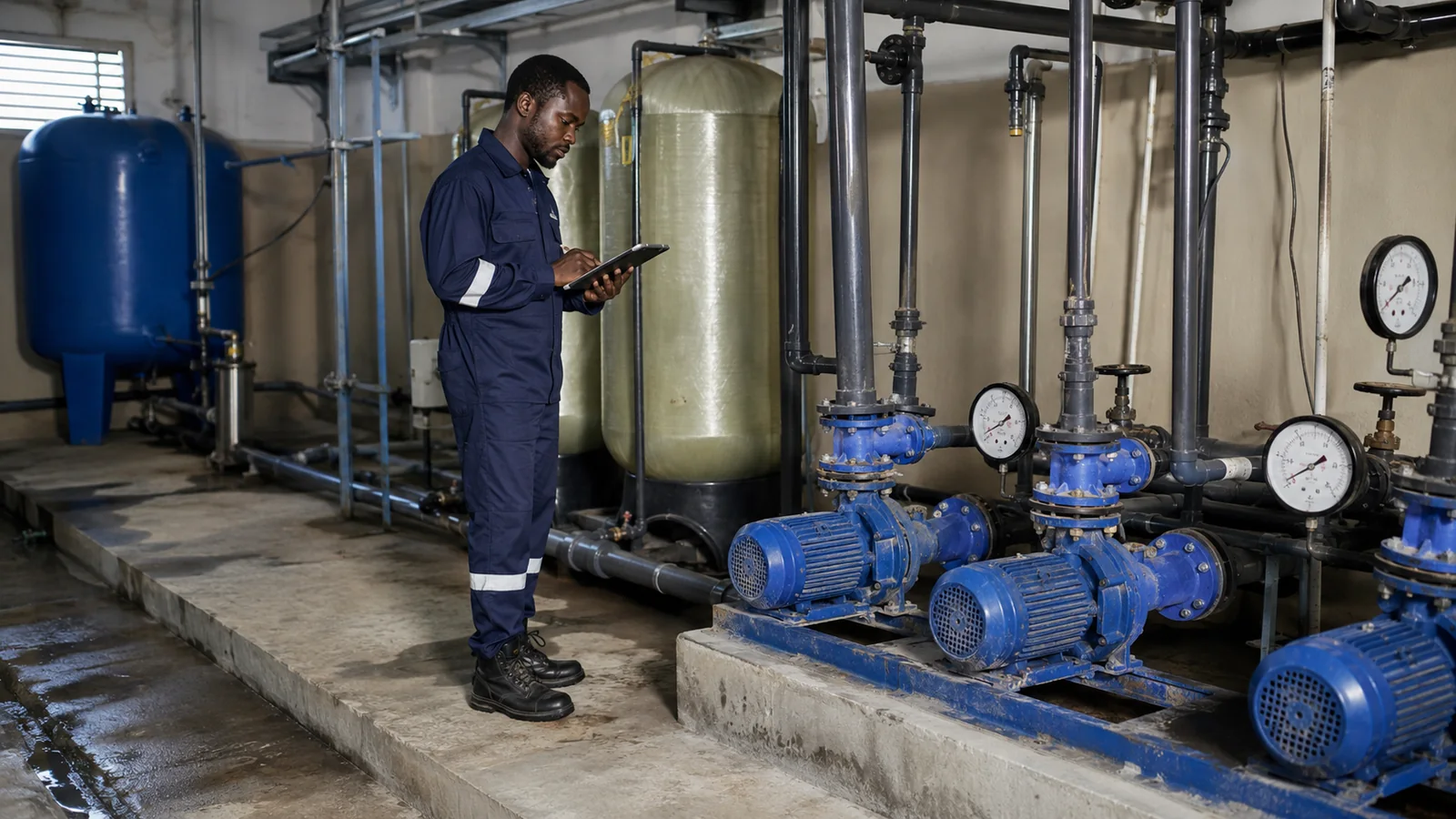
Practical perspective
Preventative maintenance is a structured approach to inspecting, servicing and repairing building assets before deterioration becomes a disruptive or expensive failure.
For office parks, estates, retail facilities and public environments, maintenance planning is not only a technical concern. It affects operational continuity, safety, tenant experience, procurement planning and the useful life of critical assets.
A well-managed programme helps decision-makers move away from repeated emergency call-outs and towards controlled interventions supported by records, clear responsibilities and predictable budgets.
Planned intervention protects asset value by identifying wear, safety risks and performance problems before they escalate into costly operational failures.
Why preventative maintenance matters
Building assets rarely fail without warning. Changes in performance, unusual noise, heat, corrosion, leaking components, inconsistent output and increasing repair frequency can all indicate that an asset is deteriorating.
When these signals are recorded and investigated early, maintenance teams can plan the necessary work around operational requirements. When they are ignored, the eventual repair may require emergency access, after-hours labour, temporary shutdowns or complete replacement.
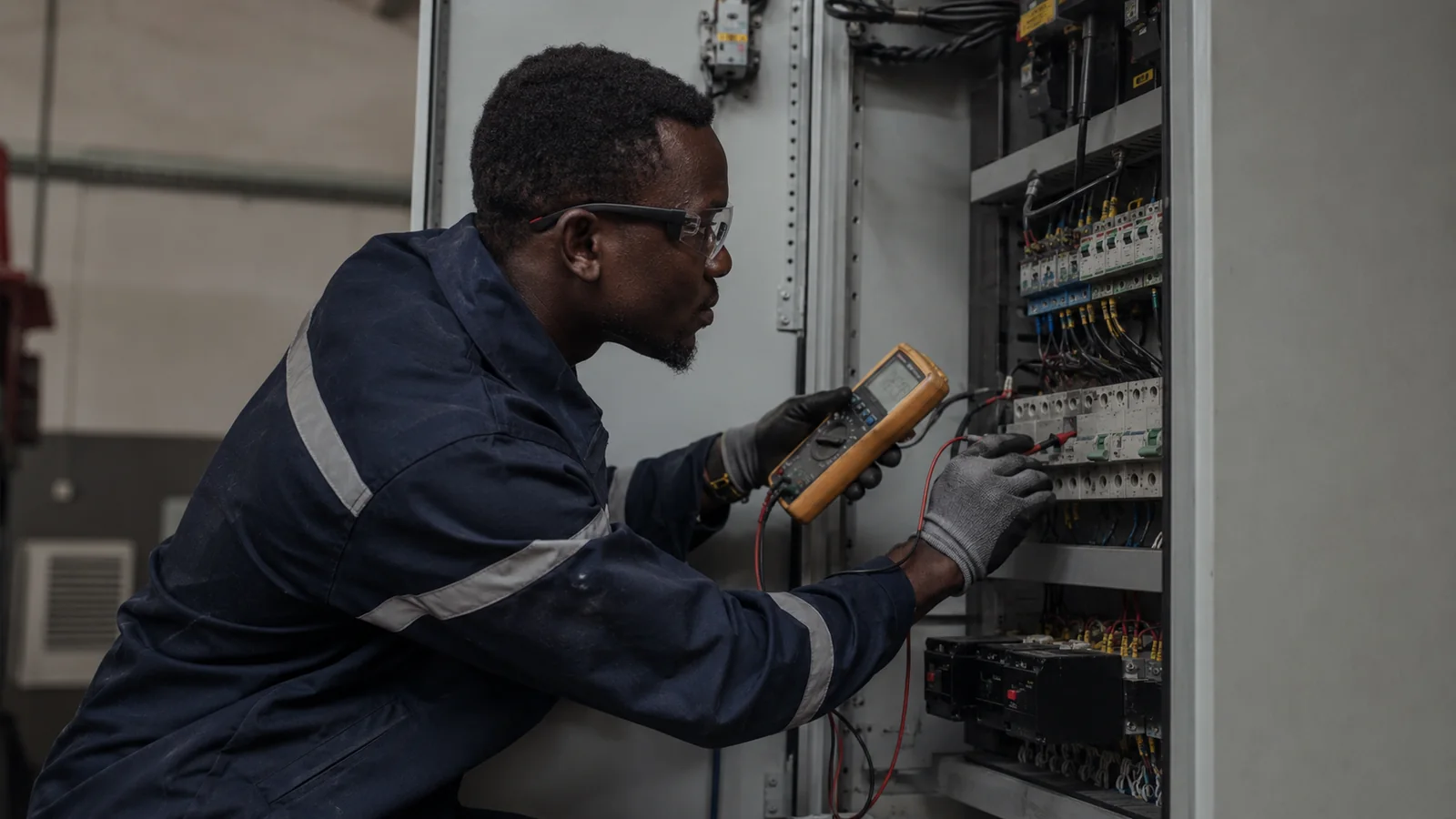
Routine inspections help teams identify deterioration before it affects daily operations.
- Repeated equipment faults or unexplained shutdowns
- Increasing repair frequency across the same asset
- Visible corrosion, leaks, heat damage or deterioration
- Unusual changes in power or water consumption
- Incomplete service records or missed inspections
Planned versus reactive maintenance
Reactive maintenance remains necessary when unexpected failures occur. The problem arises when it becomes the primary operating model. Repeated emergency repairs make budgeting difficult and often treat the immediate symptom without resolving the underlying cause.
Planned approach
- Scheduled inspections and servicing
- Predictable budgeting and resource planning
- Controlled access and reduced disruption
- Documented asset and maintenance history
- Earlier identification of replacement needs
Reactive approach
- Emergency call-outs after failure
- Unplanned expenditure and procurement pressure
- Operational interruptions and downtime
- Fragmented repair records
- Higher risk of repeat failures
Maintenance should support business continuity
The objective is not to eliminate all reactive work. It is to reduce preventable emergencies by giving facilities teams enough information to intervene before an issue becomes critical.
Warning signs clients should track
Effective maintenance programmes depend on consistent observation and record-keeping. A single minor defect may not justify immediate replacement, but recurring patterns across inspection reports, job cards and call-out records can reveal a developing asset risk.
The correct inspection interval depends on asset type, usage, operating environment, manufacturer requirements and the site’s applicable safety and compliance standards.
Maintenance teams should track repeated faults, the age and condition of critical components, availability of replacement parts, repair costs, service intervals and the operational consequence of an asset failure.
Building an effective maintenance programme
A useful maintenance plan should translate technical requirements into clear operational actions. It needs defined assets, inspection frequencies, responsibilities, escalation procedures and an auditable record of completed work.
Establish the asset register
Identify the systems, equipment and building elements that require inspection, servicing or periodic replacement.
Assess condition and operational risk
Prioritise assets according to condition, safety exposure, operational importance and the consequence of failure.
Define inspection and service intervals
Use asset requirements, operating conditions and site standards to establish practical maintenance frequencies.
Plan access and execution
Coordinate work around tenants, employees, customers and public users to limit disruption and maintain safety.
Verify and document completed work
Retain inspection findings, job cards, approvals, photographs, test results and close-out records.
What clients should prioritise
The quality of a maintenance programme depends on the clarity of its scope and the reliability of its records. Clients should be able to see what was inspected, what was found, what corrective action was taken and what remains outstanding.
A defined scope
Separate routine servicing, corrective maintenance, statutory inspections and capital replacement work.
Clear responsibilities
Confirm who reports defects, approves work, coordinates access and signs off completed interventions.
Site coordination
Plan safety controls, isolation requirements, working hours and communication with affected users.
Close-out records
Maintain supporting documentation that enables future planning, verification and procurement decisions.
Frequently asked questions
Frequently asked questions
Practical answers to common questions from property managers, facilities teams and asset owners.
Maintenance frequency should be determined by the asset type, manufacturer guidance, usage, age, condition, operating environment and applicable site requirements. Critical systems may require more frequent inspection than low-risk building elements.
A practical plan should include an asset register, inspection and service intervals, assigned responsibilities, escalation procedures, safety requirements, access arrangements, record-keeping standards and a process for reviewing recurring defects.
Planned maintenance is scheduled before failure based on inspection, condition or service requirements. Reactive maintenance takes place after a defect or failure has already affected an asset. Most facilities require both, but the objective is to reduce preventable reactive work.
It enables earlier intervention, reduces repeat emergency call-outs, improves planning, limits secondary damage and provides better information for repair-versus-replacement decisions. Cost savings depend on the asset and operating environment, so results should be evaluated through site records rather than assumed percentages.
Protecting long-term value
Maintenance works best when it becomes a managed system.
Preventative maintenance gives organisations a more reliable basis for budgeting, prioritising interventions and protecting the useful life of their facilities. It also gives procurement and management teams clearer evidence of what has been completed and what should happen next.
The strongest programmes combine technical inspection with disciplined execution, site coordination and structured close-out documentation.